| 반도체특위 위원장에 해남 출신 4선 김성일 의원…“AI컴퓨팅센터까지 통합 산업생태계로 연결”
광주 군공항 이전부지 반도체클러스터 지원할 상설특위 출범 ai호남뉴스 박충배 편집/칼럼 aihnnewsr@kakao.com |
| 2026년 07월 24일(금) 15:59 |
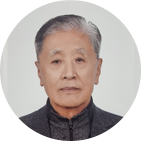
 반도체특위위원장 김성일 / 사진제공=AI호남뉴스 |
전남광주통합특별시의 미래 핵심사업인 반도체클러스터 조성을 지원할 시의회 상설특별위원회 위원장에 해남 출신 4선 김성일 의원이 선출됐다.
전남광주통합특별시의회는 지난 22일 열린 제2회 임시회 제2차 본회의에서 ‘반도체 클러스터 조성 지원 상설특별위원회 위원 선임의 건’을 의결하고 위원장에 김성일 의원(해남1), 부위원장에 한귀례 의원(광산1)을 각각 선출했다.
반도체특위는 모두 15명의 의원으로 구성됐다. 사업 규모와 추진 기간, 여러 상임위원회에 걸친 업무 범위를 고려해 한시적 조직이 아닌 상설특별위원회로 운영된다.
특위는 광주 군공항 이전부지에 추진되는 삼성전자·SK하이닉스 반도체 팹 4기와 클러스터 조성사업을 의회 차원에서 지원하는 역할을 맡는다.
산업단지 조성을 비롯해 군공항 이전, 용수·전력 공급, 광역교통망 구축, 전문인력 양성, 재정 지원, 정주여건 확충과 지역 산업 연계 방안 등이 주요 활동 과제다.
특별시의회는 앞서 지난 1일 첫 임시회에서 제1호 조례로 ‘글로벌 반도체 전략투자 지원 조례’를 의결했다. 송형곤 의장도 ‘반도체 전략투자 지원체계 구축 추진계획’을 의장 결재 제1호 안건으로 처리하며 반도체클러스터 지원을 최우선 의정과제로 내세웠다.
“광주 예정부지인데 해남 의원이 위원장”…일각서 적절성 문제 제기
김성일 의원의 위원장 선출을 놓고 시의회 안팎에서는 기대와 함께 일부 문제 제기도 나온다.
반도체클러스터 예정부지가 광주 군공항 이전부지로 구체화된 상황에서 해남을 지역구로 둔 의원이 위원장을 맡는 것이 사업 현장과 산업 전문성 측면에서 적절하느냐는 시각이다.
김 위원장이 시의회 전남청사에 배치된 일자리경제위원회 소속이라는 점도 이 같은 지적의 배경으로 거론된다.
반면 의회운영위원회에서는 반도체클러스터가 통합특별시 최대 현안인 만큼 특정 지역이나 상임위원회에 한정하기보다 의정 경험이 풍부한 다선 의원이 맡아 이해관계를 조정하는 것이 타당하다는 입장을 보인 것으로 전해졌다.
4선인 김 위원장은 전남도의회 농수산위원장과 부의장 등을 지내며 예산·산업정책과 지역 간 이해관계를 조정해 온 경험이 있다. 반도체특위가 단순한 공장 유치 지원조직을 넘어 교통·환경·교육·정주·지역균형발전 문제까지 다뤄야 한다는 점에서 다선 의원의 정치적 조정력이 필요하다는 설명이다.
김성일 “특위 절반 이상 광주권…지역 아닌 통합시 전체 산업으로 접근”
김 위원장은 특위 위원 15명 가운데 절반 이상이 광주권 의원으로 구성돼 있어 사업 예정지와의 현장 연계에는 문제가 없다는 입장이다.
위원장은 전체 사업을 조정하고 의회와 집행부, 국회와 중앙정부 사이의 협력을 끌어내는 역할을 맡고, 광주권 의원들은 지역 현안과 현장 전문성을 충분히 살릴 수 있다는 것이다.
김 위원장은 반도체클러스터를 광주권 단일사업으로 한정하지 않고 해남 AI컴퓨팅센터를 비롯한 전남광주통합특별시 전역의 연관 산업과 연결해야 한다는 점도 강조했다.
해남의 재생에너지와 AI컴퓨팅 기반, 광주의 반도체 생산시설, 전남 동부권의 화학·철강·소재·부품산업, 목포·순천권 대학과 인력양성체계를 하나의 산업생태계로 묶어야 투자 효과가 통합시 전역으로 확산될 수 있다는 구상이다.
김 위원장은 “반도체클러스터 조성은 전남광주통합특별시의 미래가 걸린 핵심사업”이라며 “기반시설뿐 아니라 전문인력 양성과 정주여건, 연관 산업 육성까지 함께 준비할 수 있도록 관련 상임위원회와 긴밀히 협력하겠다.”고 밝혔다.
800조 숫자보다 실행계획·지역상생 구조가 먼저
특위가 출범했지만 풀어야 할 과제는 적지 않다.
광주 군공항 이전 문제를 비롯해 대규모 용수와 전력의 안정적 공급, 집중호우에 대비한 부지 안전성, 광역교통망, 반도체 전문인력 확보 등이 핵심 과제로 꼽힌다.
시의회 업무보고에서도 지역 반도체 계약학과 정원이 필요 인력에 크게 부족하다는 지적과 함께 생산 현장 실무인력 양성, 반도체산업지원단 정규 조직화, 용수 공급 대안 및 기존 지역 중소기업의 인력 유출 대책을 마련해야 한다는 요구가 나왔다.
특히 광주 군공항 이전 부담은 무안이 떠안고 반도체 산업의 직접적인 수혜는 광주에 집중될 수 있다는 전남지역의 우려도 해소해야 한다. 해남 AI컴퓨팅센터와 동부권 소재산업을 반도체클러스터와 어떻게 연결할 것인지도 구호가 아닌 구체적인 기업 유치와 기반시설 계획으로 제시돼야 한다.
반도체특위가 진정한 통합특별시 상설특위로 평가받기 위해서는 사업 예정지 지원을 넘어 지역별 역할과 수혜 구조를 투명하게 공개해야 한다.
김성일 위원장의 선출 역시 출신 지역이나 선수보다 광주권 반도체 팹과 해남 AI컴퓨팅센터, 동부권 소재산업을 얼마나 실질적으로 연결하고 중앙정부의 예산·제도 지원을 끌어내느냐로 평가받아야 할 것으로 보인다.
Four-Term Haenam Lawmaker Kim Seong-il Named Semiconductor Special Committee Chair: “Building an Integrated Industrial Ecosystem Linked to the AI Computing Center”
Standing committee launched to support semiconductor cluster development at the site of the relocated Gwangju military airport
Fifteen committee members appointed at the second plenary session of the second extraordinary session on July 22
Kim Seong-il elected chair and Han Gwi-rye vice chair to oversee water, power, transportation and workforce issues
Some question distance and expertise, as the proposed site is in Gwangju while the chair serves on a committee based at the Jeonnam government complex
Kim: “More than half the members represent Gwangju; the composition combines local expertise with experienced coordination”
Semiconductor project should be linked to the Haenam AI Computing Center and eastern-region materials industries to spread benefits across the integrated city
【Jeonnam-Gwangju·Haenam=AI Honam News】 aihnnews@kakao.com
Four-term lawmaker Kim Seong-il, who represents Haenam, has been elected chair of the standing special committee established by the Jeonnam-Gwangju Integrated Special Metropolitan City Council to support the region’s semiconductor cluster, one of the integrated city’s most important future projects.
At the second plenary session of its second extraordinary session on July 22, the council approved a motion appointing members of the Standing Special Committee for Supporting the Semiconductor Cluster. Kim Seong-il, representing Haenam District 1, was elected chair, while Han Gwi-rye, representing Gwangsan District 1, was elected vice chair.
The semiconductor special committee consists of 15 council members. Given the scale and duration of the project and the wide range of standing committees involved, it will operate as a permanent special committee rather than a temporary body.
The committee will support plans to construct four semiconductor fabrication plants, or fabs, involving Samsung Electronics and SK hynix at the site to be made available following the relocation of the Gwangju military airport.
Its main responsibilities include reviewing industrial-complex development, military airport relocation, water and power supplies, metropolitan transportation networks, specialist workforce training, financial support, residential infrastructure and links with related regional industries.
At its inaugural extraordinary session on July 1, the council passed the Ordinance on Supporting Strategic Investment in the Global Semiconductor Industry as its first ordinance.
Council Speaker Song Hyeong-gon also made the Plan to Establish a Semiconductor Strategic Investment Support System his first officially approved agenda item, placing support for the semiconductor cluster at the top of the council’s policy priorities.
“The Site Is in Gwangju, So Why Is a Haenam Lawmaker the Chair?”
Kim’s election has generated both expectations and questions inside and outside the council.
With the proposed semiconductor cluster site now taking shape at the Gwangju military airport relocation site, some have questioned whether a lawmaker representing Haenam is the most appropriate person to lead the committee in terms of proximity to the site and expertise in the semiconductor industry.
The fact that Kim serves on the Jobs and Economy Committee, which is based at the council’s Jeonnam government complex, has also been cited as part of the concern.
The Council Steering Committee, however, reportedly argued that the semiconductor cluster is the most important issue facing the integrated city and should not be restricted to a particular region or standing committee. It said an experienced senior lawmaker should take responsibility for coordinating the competing interests surrounding the project.
Kim is a four-term lawmaker who has served as chair of the Jeonnam Provincial Council’s Agriculture and Fisheries Committee and as vice chair of the provincial council. Through these positions, he has accumulated experience coordinating budgets, industrial policy and competing regional interests.
Supporters of his appointment say such political coordination is necessary because the special committee will address not only factory construction but also transportation, the environment, education, residential conditions and balanced regional development.
Kim: “More Than Half the Committee Members Represent Gwangju”
Kim said more than half of the committee’s 15 members represent constituencies in the Gwangju area, ensuring close ties with the proposed project site.
He explained that the chair’s role is to coordinate the overall project and promote cooperation among the council, the city administration, the National Assembly and the central government, while Gwangju-area lawmakers can contribute their local knowledge and on-site expertise.
Kim also stressed that the semiconductor cluster should not be treated solely as a Gwangju-area project. Instead, it should be connected to related industries across the Jeonnam-Gwangju Integrated Special Metropolitan City, including the AI Computing Center planned for Haenam.
His vision is to create a single industrial ecosystem linking Haenam’s renewable energy and AI computing infrastructure, Gwangju’s semiconductor manufacturing facilities, the chemical, steel, materials, components and equipment industries of eastern Jeonnam, and the universities and workforce training systems in the Mokpo and Suncheon areas.
Such a structure, he said, would help spread the benefits of semiconductor investment across the entire integrated metropolitan city.
“The semiconductor cluster is a core industry upon which the future of the Jeonnam-Gwangju Integrated Special Metropolitan City depends,” Kim said. “We will work closely with the relevant standing committees to prepare not only essential infrastructure but also specialist workforce training, residential conditions and the development of related industries.”
Concrete Implementation and Regional Cooperation Must Come Before the KRW 800 Trillion Headline
Despite the launch of the committee, many challenges remain unresolved.
Key issues include relocating the Gwangju military airport, securing stable supplies of water and electricity, ensuring that the proposed site is safe from flooding and extreme rainfall, building metropolitan transportation networks and developing a skilled semiconductor workforce.
During council briefings, lawmakers noted that the capacity of regional semiconductor contract departments at universities falls far short of the projected workforce demand.
They called for practical training programs for semiconductor production workers, the conversion of the temporary Semiconductor Industry Support Group into a permanent administrative body, alternative water-supply plans and measures to prevent major semiconductor companies from drawing skilled workers away from existing regional small and medium-sized enterprises.
Concerns must also be addressed that Muan could shoulder the burden of receiving the relocated military airport while Gwangju takes most of the direct economic benefits from the semiconductor industry.
Plans to connect the Haenam AI Computing Center and the materials industries of eastern Jeonnam to the semiconductor cluster must also be presented through concrete corporate investment and infrastructure projects, rather than remaining at the level of political slogans.
For the semiconductor special committee to be recognised as a genuine standing committee serving the entire integrated city, it must go beyond supporting the proposed site and transparently disclose the role each region will play and the benefits each region is expected to receive.
Kim’s performance as committee chair should ultimately be judged not by his constituency or seniority, but by whether he can build meaningful links among Gwangju’s proposed semiconductor fabs, the Haenam AI Computing Center and eastern Jeonnam’s materials industries—and secure the necessary budgetary and institutional support from the central government.
 ai호남뉴스 박충배 편집/칼럼 aihnnewsr@kakao.com