2026.10.12 (월) 01:51




 닫기
닫기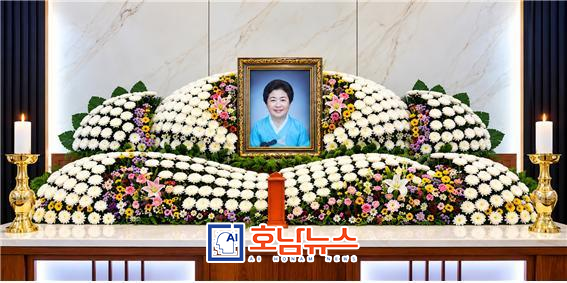 명창 고 이임례 영정 ? 사진제공=ai호남뉴스 |
평생 남도의 소리를 지키며 강산제 판소리 ‘심청가’ 전승에 헌신한 이임례 명창이 22일 별세했다. 향년 86세.
광주광역시 무형유산 판소리강산제(심청가) 보유자인 고인은 전남 진도군 고군면에서 태어나 어려서부터 전통 소리를 접했으며, 목포와 광주를 중심으로 판소리를 배우고 가르치며 평생 남도 판소리 전승에 힘썼다. 본명은 이추월이다.
고인은 김상용 명창에게 ‘춘향가’를, 김흥남 명창에게 ‘흥보가’와 ‘심청가’를 배웠다. 이후 45세 무렵부터 성창순 명창에게 ‘심청가’와 ‘흥보가’, ‘춘향가’를 집중적으로 사사하며 자신의 소리 세계를 완성했다.
강산제는 박유전 명창에서 정재근·정응민·성창순 등으로 이어진 서편제 계통의 판소리 유파로, 애절한 성음과 절제된 감정 표현, 정교한 발음과 다듬어진 사설이 특징이다.
광주의 판소리강산제(심청가)는 박옥심 명창이 보유자로 활동하다 1995년 별세하면서 전승 단절 위기를 맞았다. 이후 이임례 명창이 1998년 2월 12일 보유자로 인정되면서 광주광역시 무형문화재 제14호로 다시 지정돼 전승의 맥을 이어왔다.
고인의 소리와 예술정신은 가족과 제자들에게 이어지고 있다.
아들 이태백 명인은 목원대학교 국악과 교수로 재직하며 아쟁과 타악, 고법 등 다양한 분야에서 활동하고 있으며, 딸 이은숙 씨도 판소리 활동을 통해 어머니의 소리를 계승하고 있다.
특히 고인은 밴드 이날치의 보컬이자 소리꾼으로 활동하는 박수범 씨의 첫 판소리 스승이기도 하다. 박씨는 만 5세 때 이임례 명창을 만나 ‘심청가’를 배우며 판소리의 길에 들어섰다.
어린 제자에게 전한 강산제 소리는 세월을 건너 오늘날 전통 판소리와 현대음악을 잇는 새로운 무대로 이어지고 있다.
고인의 빈소는 전남광주통합특별시 광산구 상무대로 509 ㈜베스트장례문화원 영림관 2층 VIP202호에 마련됐다.
발인은 24일 오전 7시30분이며 장지는 남원 국악의 성지다.
평생 강산제 ‘심청가’를 지키고 후대에 전해온 이임례 명창은 이제 우리 국악의 역사와 명인들의 예술혼이 깃든 남원 국악의 성지에서 영면한다.
▲고인 이임례 명창
▲별세 2026년 9월 22일
▲향년 86세
▲빈소 ㈜베스트장례문화원 영림관 2층 VIP202호
▲발인 2026년 9월 24일 오전 7시30분
▲장지 남원 국악의 성지
Master Singer Lee Im-rye of Gangsan-je ‘Simcheongga’ Dies at 86… To Be Laid to Rest at Namwon’s Sacred Site of Korean Traditional Music
Dies on Sept. 22 at age 86… Funeral procession set for 7:30 a.m. on Sept. 24
Holder of Gwangju Intangible Cultural Heritage for Gangsan-je Pansori ‘Simcheongga’… Devoted her life to preserving southern Korean traditional vocal music
Studied ‘Simcheongga,’ ‘Heungboga,’ and ‘Chunhyangga’ under master singer Seong Chang-sun… Carried on the Gangsan-je tradition
Son Lee Tae-baek and daughter Lee Eun-sook continue the family’s musical legacy
First pansori teacher of Leenalchi vocalist Park Su-beom… Began teaching him ‘Simcheongga’ when he was five years old
[GWANGJU=AI HONAM NEWS] aihnnews@kakao.com
Lee Im-rye, a master singer who devoted her life to preserving the Gangsan-je school of pansori and its signature repertoire, “Simcheongga,” died on Sept. 22. She was 86.
Lee, a designated holder of Gwangju’s Intangible Cultural Heritage for Gangsan-je Pansori “Simcheongga,” was born in Gogun-myeon, Jindo County, South Jeolla Province. Growing up in Jindo, a region renowned for traditional Korean performing arts, she was exposed to traditional vocal music from an early age. She later dedicated her life to learning and teaching pansori mainly in Mokpo and Gwangju. Her birth name was Lee Chu-wol.
She studied “Chunhyangga” under master singer Kim Sang-yong and learned “Heungboga” and “Simcheongga” from master singer Kim Heung-nam. From around the age of 45, she intensively trained in “Simcheongga,” “Heungboga,” and “Chunhyangga” under master singer Seong Chang-sun, establishing her own distinctive musical style.
Gangsan-je is a branch of the Seopyeonje school of pansori passed down through master singers Park Yu-jeon, Jeong Jae-geun, Jeong Eung-min, and Seong Chang-sun. It is characterized by plaintive vocal tones, restrained emotional expression, precise diction, and refined lyrics.
Gwangju’s Gangsan-je Pansori “Simcheongga” was once in danger of disappearing after master singer Park Ok-sim, who had served as its designated holder, died in 1995. The tradition was revived when Lee Im-rye was officially recognized as a holder on Feb. 12, 1998, and the art form was redesignated as Gwangju Intangible Cultural Property No. 14.
Lee’s artistic spirit and musical legacy are being carried on by her family and students.
Her son, master musician Lee Tae-baek, serves as a professor of Korean traditional music at Mokwon University and is active in various fields including ajaeng, percussion, and traditional drum accompaniment. Her daughter, Lee Eun-sook, also continues to perform pansori, carrying forward the sound and artistic philosophy her mother devoted her life to preserving.
Lee was also the first pansori teacher of Park Su-beom, a vocalist and traditional singer with the band Leenalchi. Park first met Lee at the age of five and began learning “Simcheongga” from her, marking the beginning of his life in pansori.
The Gangsan-je tradition that Lee passed on to her young student has crossed generations and today continues on stages that combine traditional pansori with contemporary music.
Lee’s funeral altar has been set up in VIP Room 202 on the second floor of Yeongnim Hall at Best Funeral Culture Center, located at 509 Sangmu-daero, Gwangsan-gu, Gwangju.
The funeral procession will take place at 7:30 a.m. on Sept. 24, and she will be laid to rest at the Sacred Site of Korean Traditional Music in Namwon.
Having devoted her life to preserving and passing down Gangsan-je “Simcheongga,” Lee Im-rye will now rest at Namwon’s sacred site of Korean traditional music, a place imbued with the history of Korean traditional performing arts and the artistic spirit of generations of master musicians.
▲ Deceased: Lee Im-rye
▲ Date of death: Sept. 22, 2026
▲ Age: 86
▲ Funeral hall: VIP Room 202, 2nd Floor, Yeongnim Hall, Best Funeral Culture Center
▲ Funeral procession: 7:30 a.m., Sept. 24, 2026
▲ Burial site: Sacred Site of Korean Traditional Music, Namwon
 ai호남뉴스 박인석 발행인 aihnnewsr@kakao.com